
A clear definition
A mission trip is a short-term experience in which people travel to serve alongside a faith-based organization, church, or community. The trip combines practical work with spiritual formation, cross-cultural learning, and relationships.
A responsible mission trip does not treat the destination as a project site or the travelers as rescuers. Participants join work that local leaders and long-term organizations have already identified, and they contribute within a plan designed to continue after the trip ends.
How a mission trip differs from ordinary travel
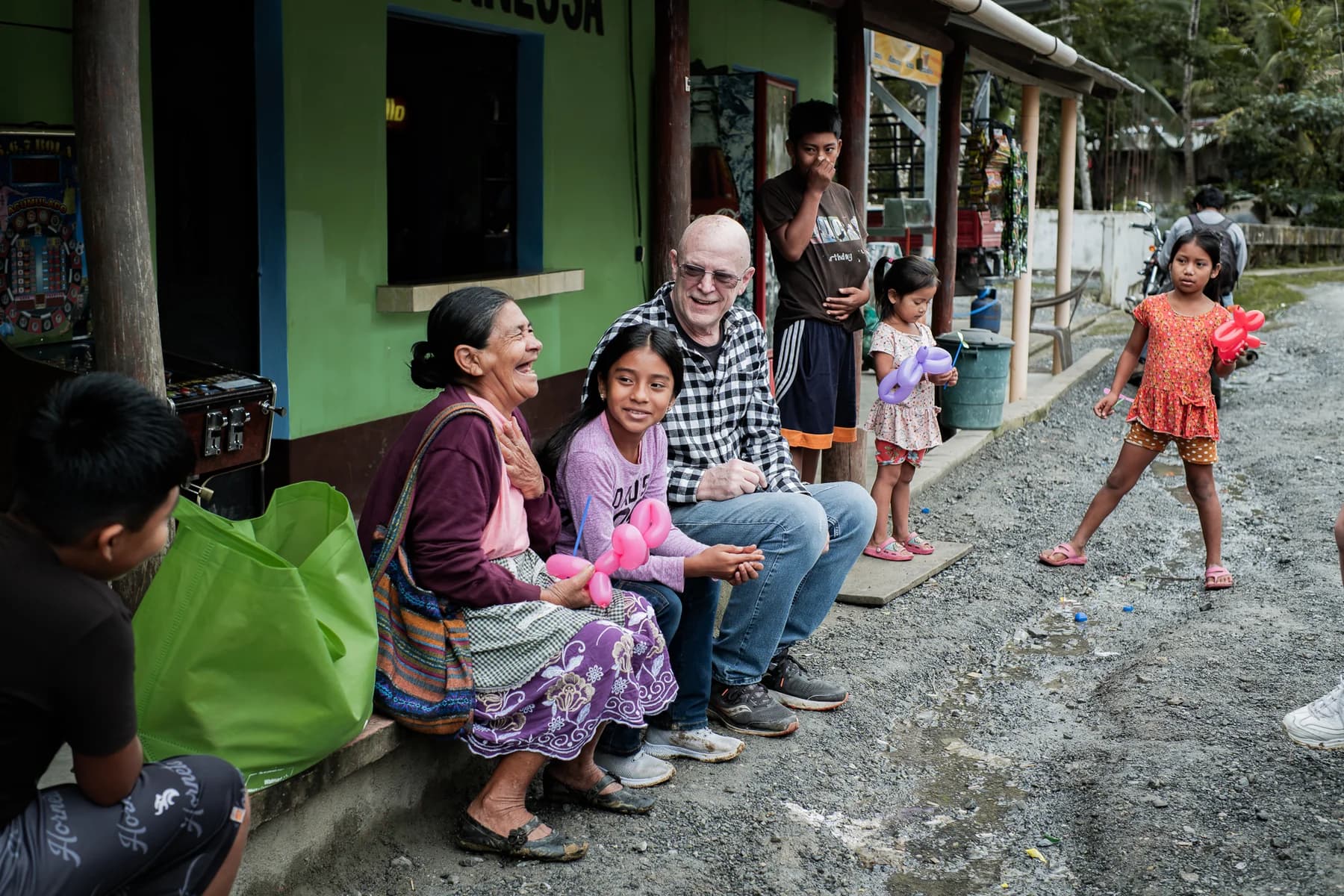
Tourism is primarily organized around the traveler’s experience. A mission trip is organized around service, community priorities, worship, and learning. Participants still encounter new places and cultures, but personal enjoyment is not the central purpose.
A mission trip also differs from independent volunteering. Housing, transportation, community access, translation, safety, and projects are coordinated through a host organization that understands the local context.
What people do on mission trips
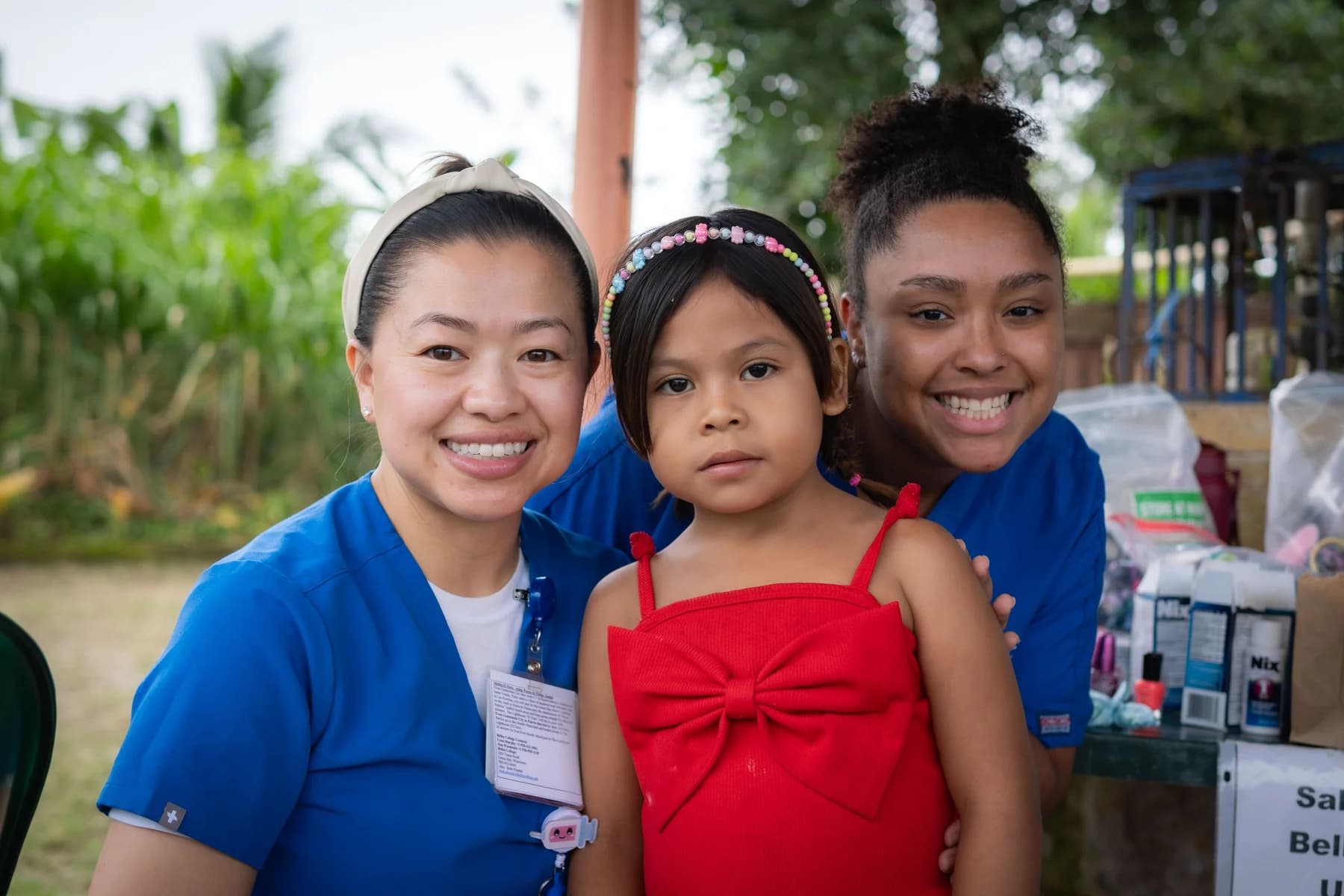
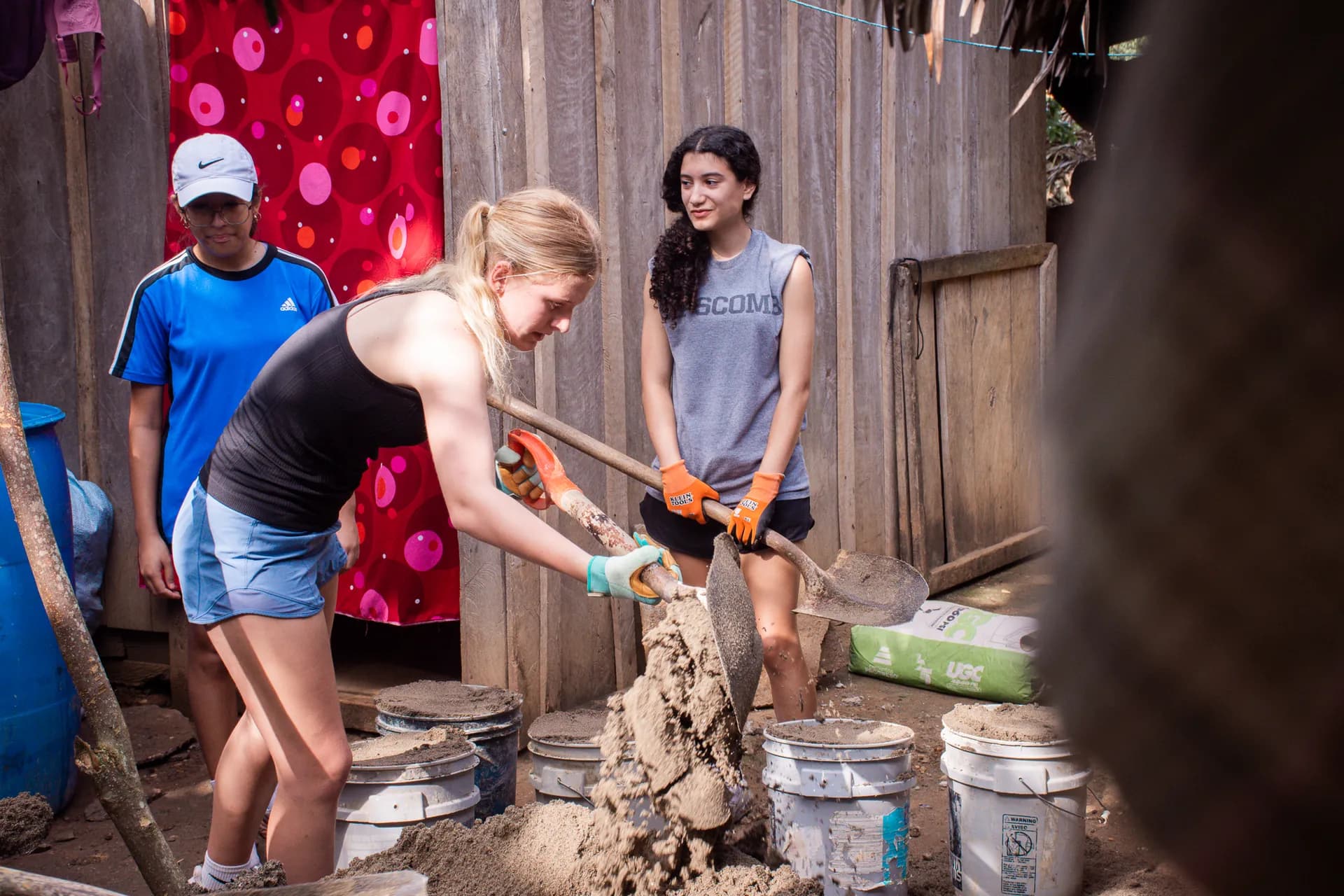
Activities depend on the host organization, community priorities, team skills, and length of stay. At El Faro, teams may contribute to construction, medical or dental clinics, children’s ministry, food and water distribution, sports, education, prayer, evangelism, or campus support.
The visible task is only part of the work. Participants also listen, share meals, learn from local leaders, encourage long-term staff, reflect with their team, and practice serving without needing to control the outcome.
- Construction and practical community projects
- Medical, dental, vision, or health outreach
- Children’s ministry, education, sports, and recreation
- Food, water, and emergency-support programs
- Church partnership, prayer, and relationship building
How long mission trips last
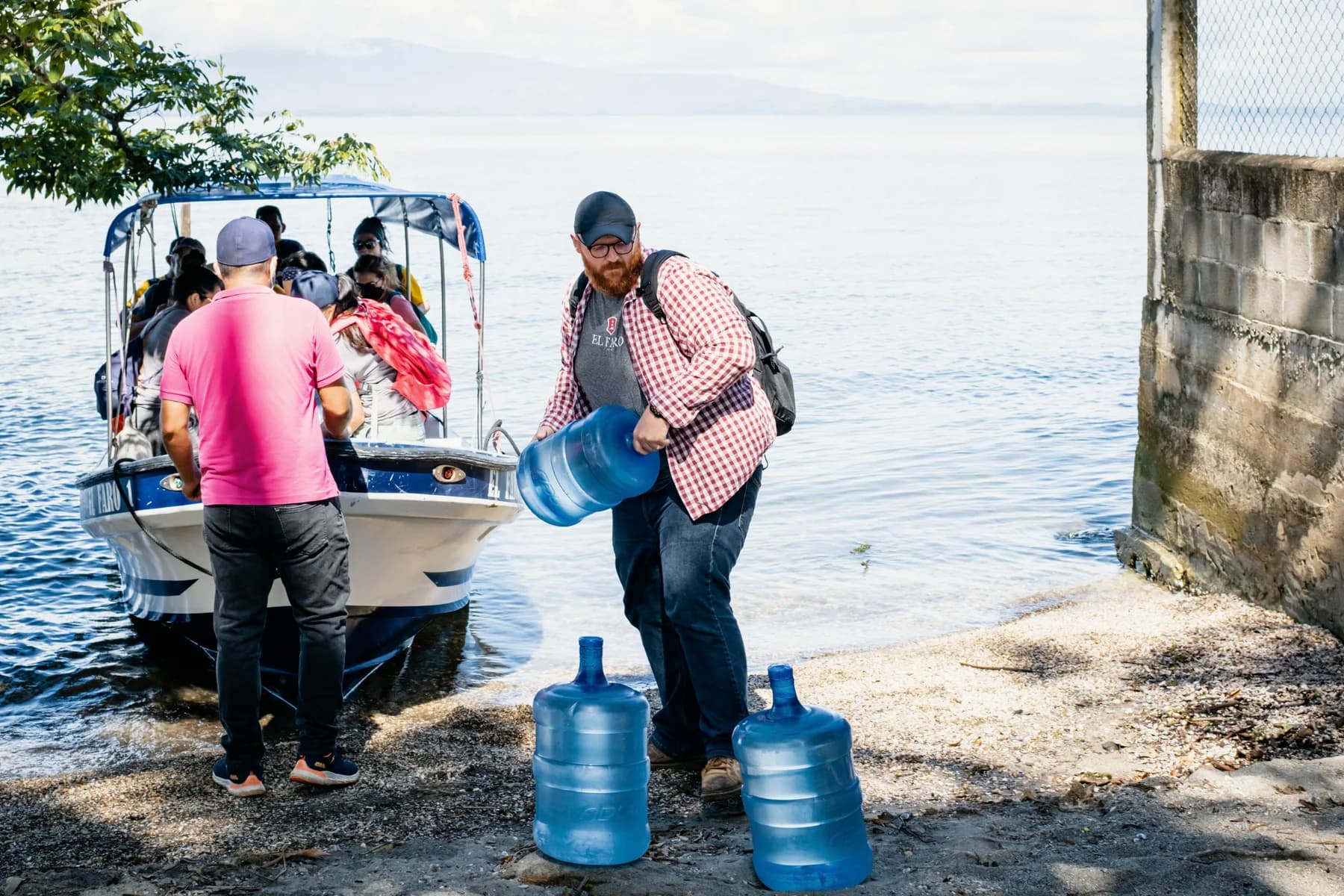
Many short-term mission trips last about one week. El Faro’s standard team experience is built around a Saturday-to-Saturday rhythm, with service days, shared meals, worship, and daily reflection.
Other formats can be useful. Vision trips may last three or four days and help leaders evaluate a future partnership. Individual volunteers may stay from one week to three months, allowing more time to learn routines and contribute within the ongoing team.
Why local partnership matters
Without local partnership, a team can complete the wrong project, create unnecessary dependence, overlook cultural context, or make promises that cannot be kept. Good hosts help visiting teams understand what is needed, what is realistic, and who will remain responsible afterward.
At El Faro, Guatemalan leaders, missionaries, staff, churches, and community relationships shape the work. Visiting teams bring energy, skills, resources, and encouragement into a structure that continues throughout the year.
The role of Christian faith
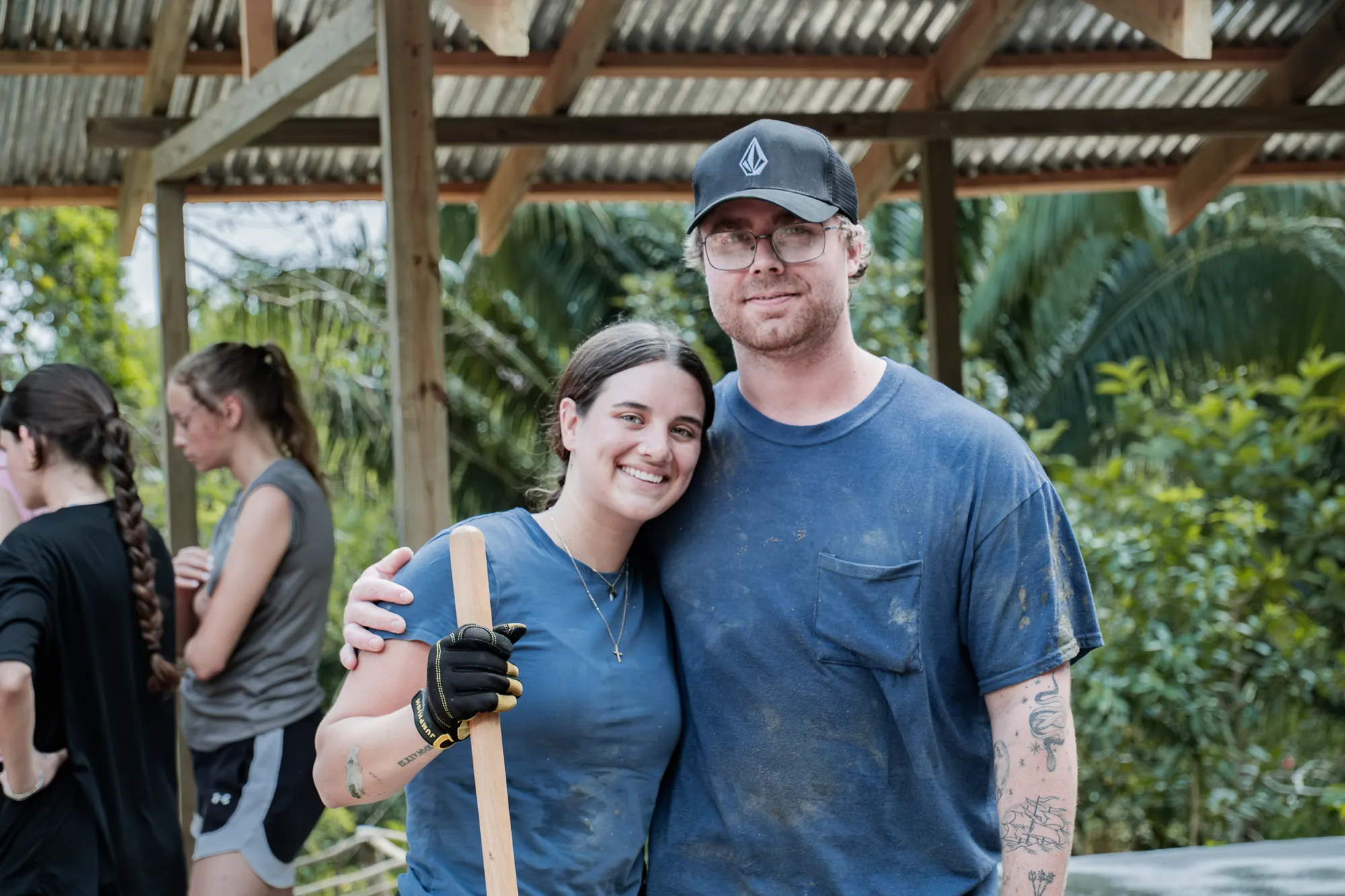
Christian mission trips connect service with worship, prayer, Scripture, and the belief that every person bears God-given dignity. Practical care is not a strategy for earning attention; it is one way faith becomes visible.
Faith also shapes how participants behave. Teams are called to serve humbly, listen carefully, honor local leadership, receive hospitality with gratitude, and recognize that transformation may be happening in them as much as through them.
Two-way transformation
A mission trip should benefit the host community, but the experience also changes participants. Cross-cultural service can expose assumptions about need, success, time, generosity, faith, family, and community.
The test of transformation often comes after the trip. Participants may return home with new habits of giving, prayer, hospitality, service, leadership, or attention to needs in their own community.
How to choose a responsible trip
- Ask how local leaders identify projects and priorities
- Understand what happens before and after the visiting team arrives
- Confirm costs, safety, housing, transportation, and supervision
- Look for honest limits rather than unrealistic promises
- Choose a role that fits your skills, age, health, and preparation
- Avoid organizations that use poverty or children primarily as marketing
- Prepare to learn and follow, not only lead