
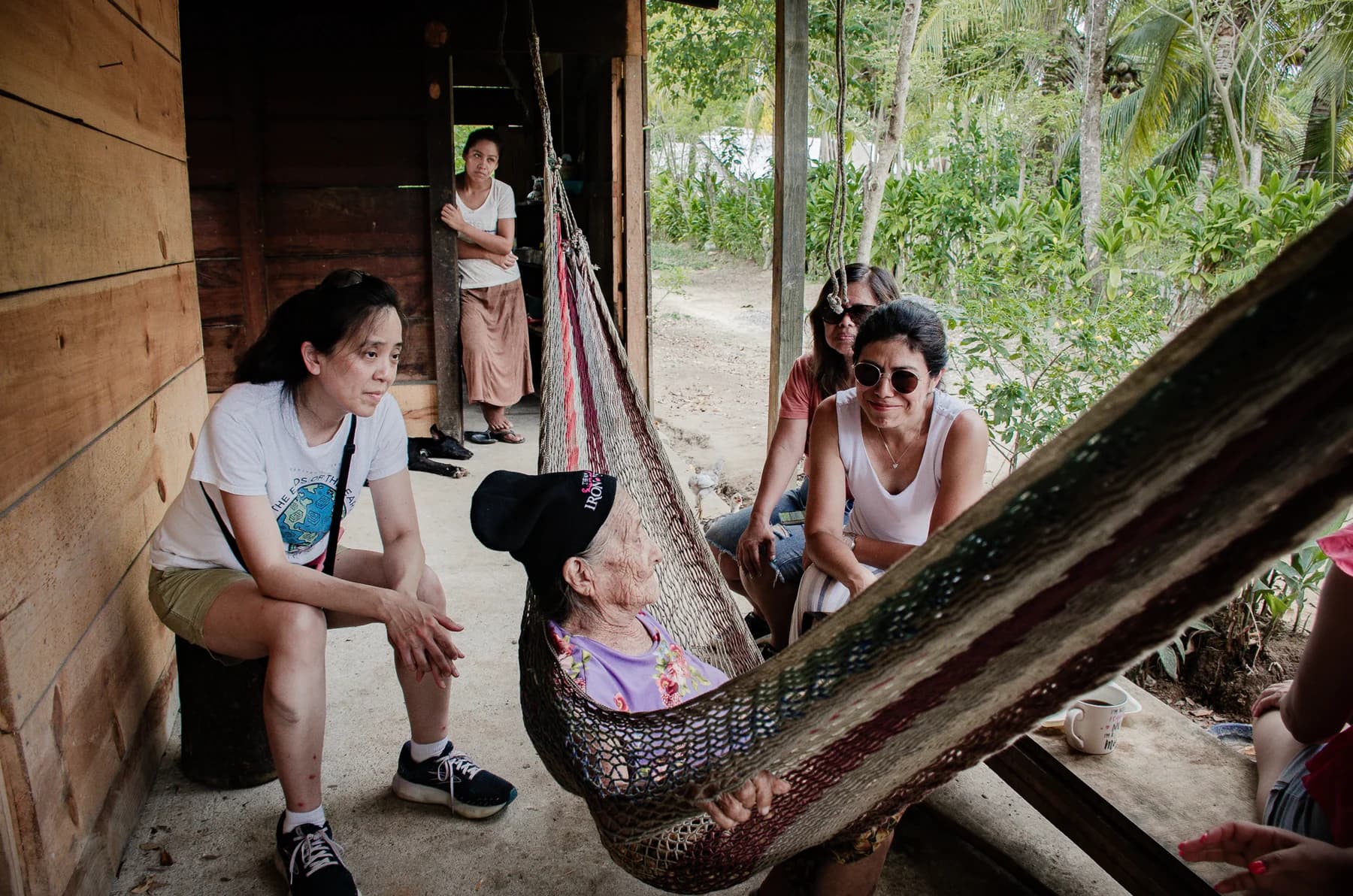
Poverty is more than one number
Poverty in Guatemala can include low income, limited access to healthcare, interrupted education, insecure housing, unsafe water, malnutrition, and long travel to essential services. These pressures overlap and can reinforce one another.
National statistics are useful, but poverty is experienced household by household. Geography, language, discrimination, weather, employment, land, transportation, and family responsibilities can shape what options are available.
Daily life on a limited income
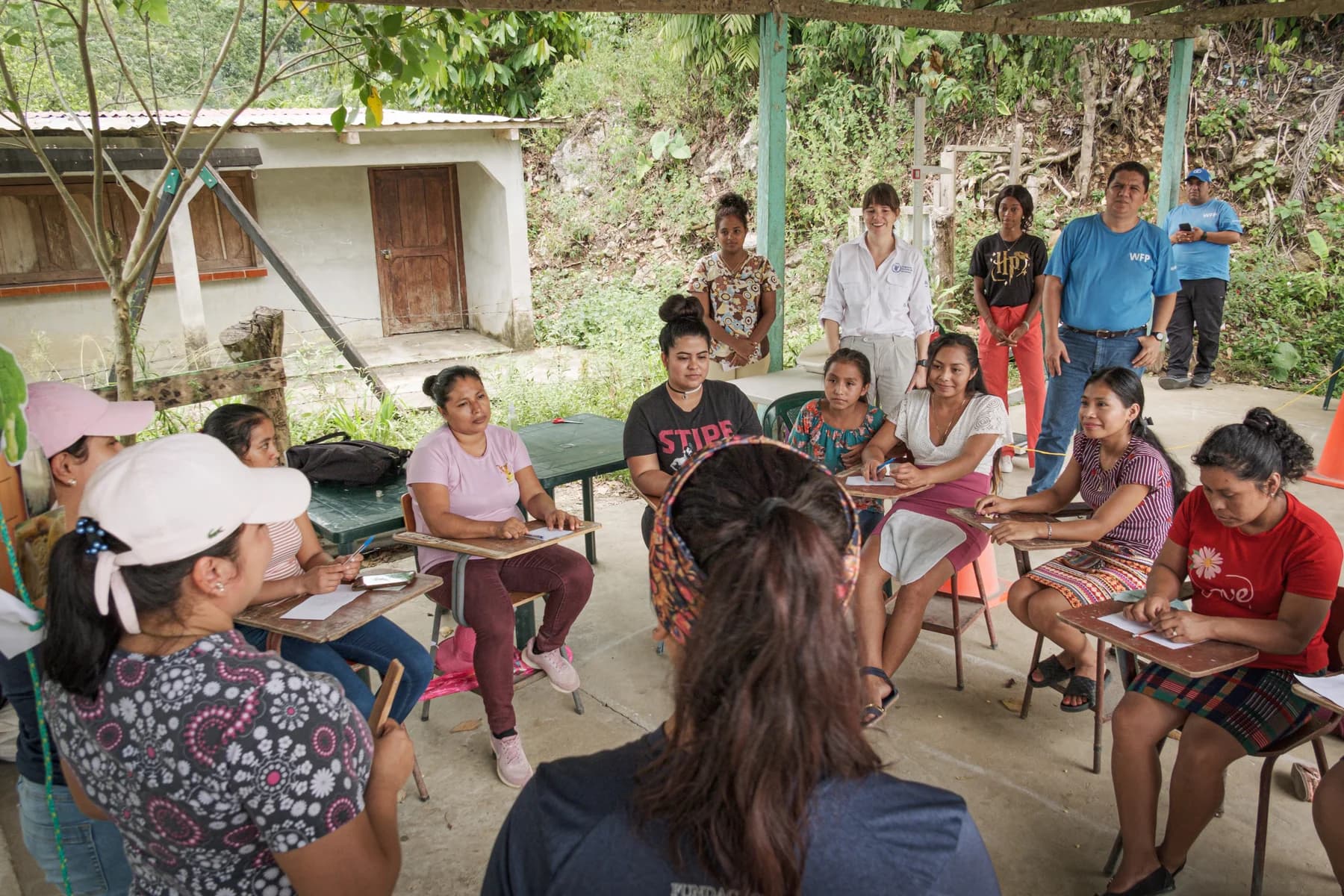
In communities connected with El Faro, some families live on approximately $75 per month and may eat only two meals a day. A single medical expense, damaged roof, lost workday, or school cost can force difficult choices.
Low income does not mean a family lacks skill, faith, generosity, or effort. It means the margin for absorbing a setback is extremely small.
Housing and dirt floors
Some homes have dirt floors, limited lighting, smoke from traditional cooking fires, and materials that provide little protection during severe weather. These conditions affect cleanliness, respiratory health, safety, and comfort.
A concrete floor, improved stove, secure roof, or solar light may appear simple, but each can change the daily environment of a household in a durable way.
Healthcare access
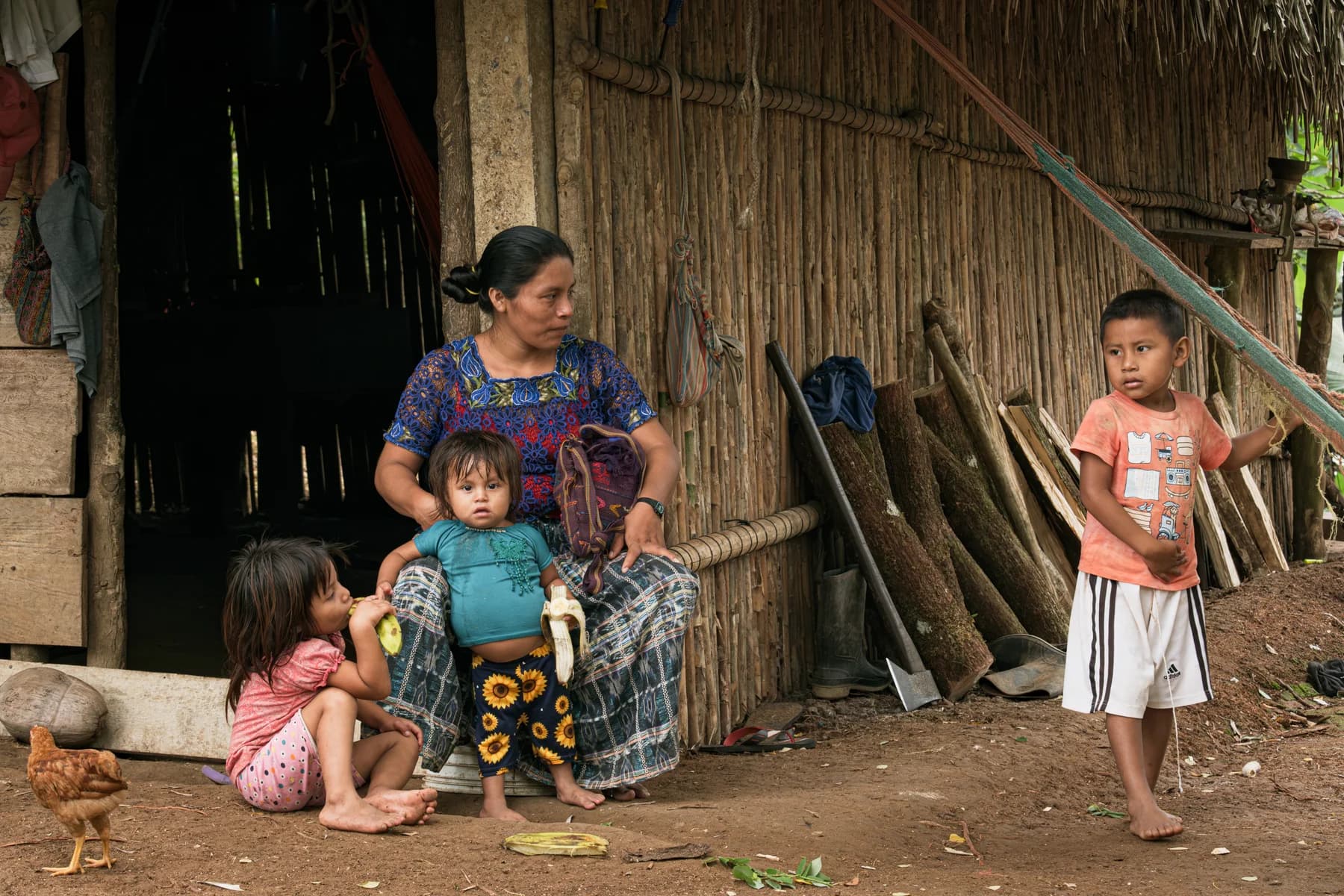
Distance and cost can make routine medical and dental care difficult to reach. Transportation to a clinic or hospital may require money, time away from work, and travel from a community with limited road access.
Delayed care can turn a manageable condition into a more serious one. Mobile clinics, accessible dental care, eye surgery missions, medicine, and patient support help reduce some of those barriers.
Education barriers
School access does not guarantee that every student can continue. Transportation, supplies, work, household responsibilities, internet access, and the need to support family income can interrupt education.
Adult learners may carry the effects of leaving school for many years. Accelerated education, scholarships, Sunday classes, libraries, internet access, and homework help create additional paths back into learning.
Rural infrastructure and climate
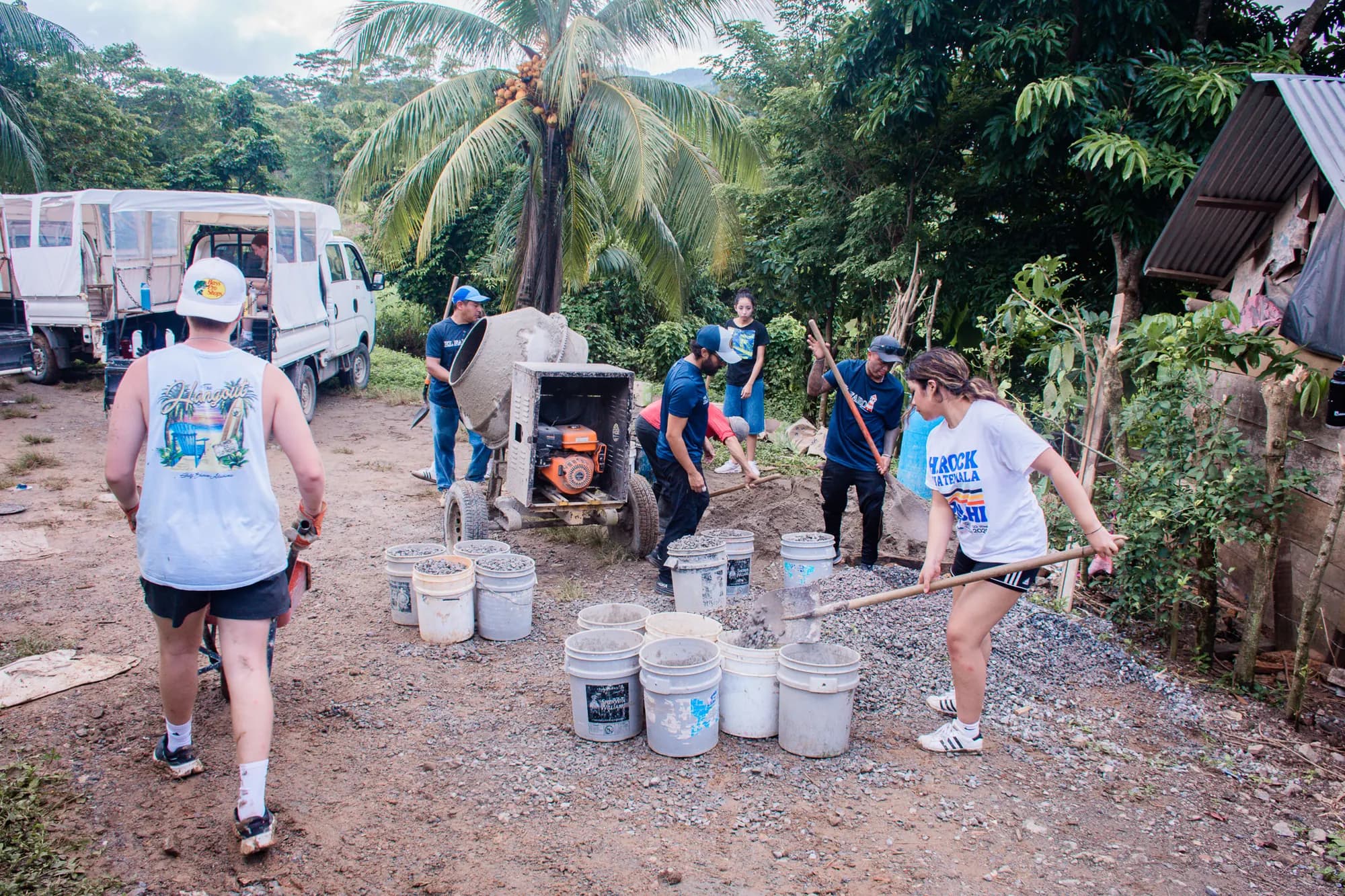
Izabal’s rivers, jungle, coastline, and seasonal rain are part of the region’s beauty, but they can also make transportation and service delivery more difficult. A community reached by boat or an unreliable road faces different costs and delays than an urban neighborhood.
Severe storms can damage homes, disrupt food access, contaminate water, and isolate communities. Existing local relationships become especially important during emergency response.
How El Faro responds
No single program solves poverty. El Faro connects practical responses through long-term relationships so health, housing, nutrition, education, and local leadership can reinforce one another.
- Nutrition support and growth monitoring for children
- Medical, dental, and eye-care programs
- Homes, concrete floors, eco-stoves, and solar lighting
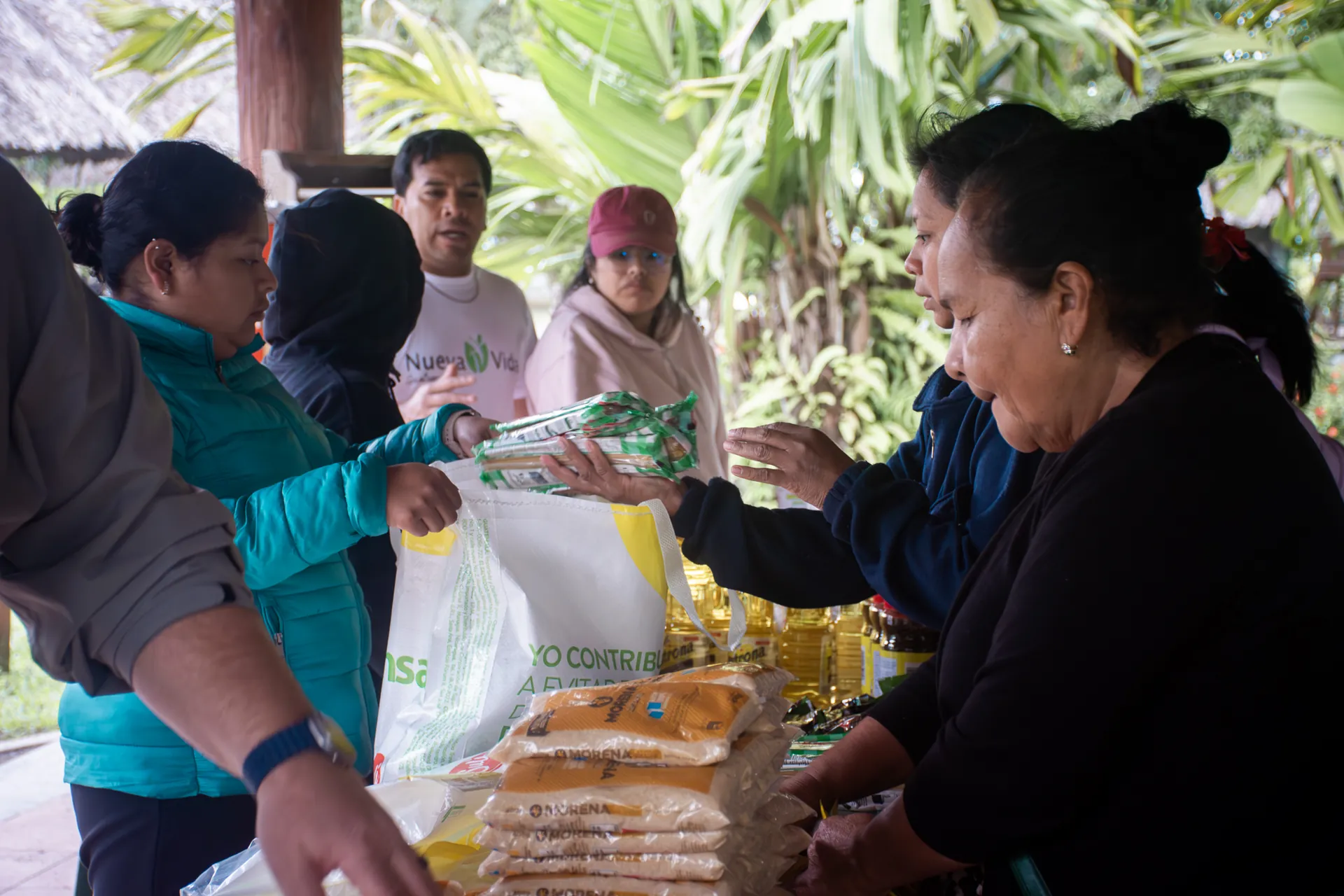
- Purified water and partnership-based food distribution
- Adult education, scholarships, youth learning, and leadership training
- Emergency meals and community relief
Respond without reducing people to poverty
Responsible service avoids presenting people as helpless or using suffering to create a dramatic donor story. Communities contain knowledge, leadership, faith, work, culture, and mutual support alongside real material needs.
The better question is not “How can we rescue them?” but “How can we listen, contribute responsibly, strengthen what is already present, and remain accountable for the effects of our help?”