Before the clinic begins
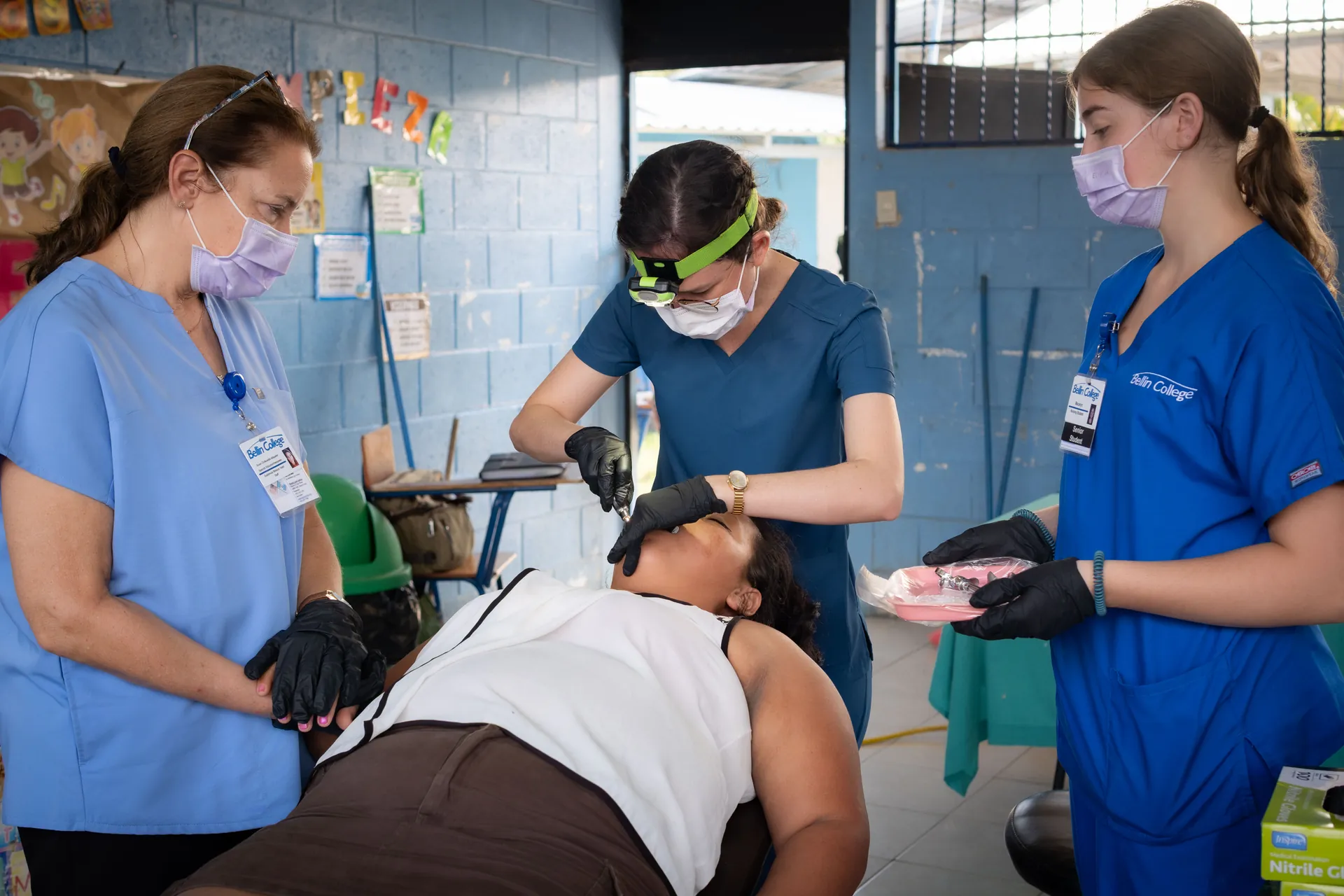
A responsible medical mission trip starts months before travel. The team confirms licensed leadership, specialties, participants, community location, expected patient volume, medicine, equipment, translation, transportation, and the limits of the planned care.
El Faro coordinates with local leaders and its Guatemala-based team so the clinic is connected to real access needs. Visiting professionals should provide accurate credentials and communicate equipment or supply requirements early.
A typical clinic day
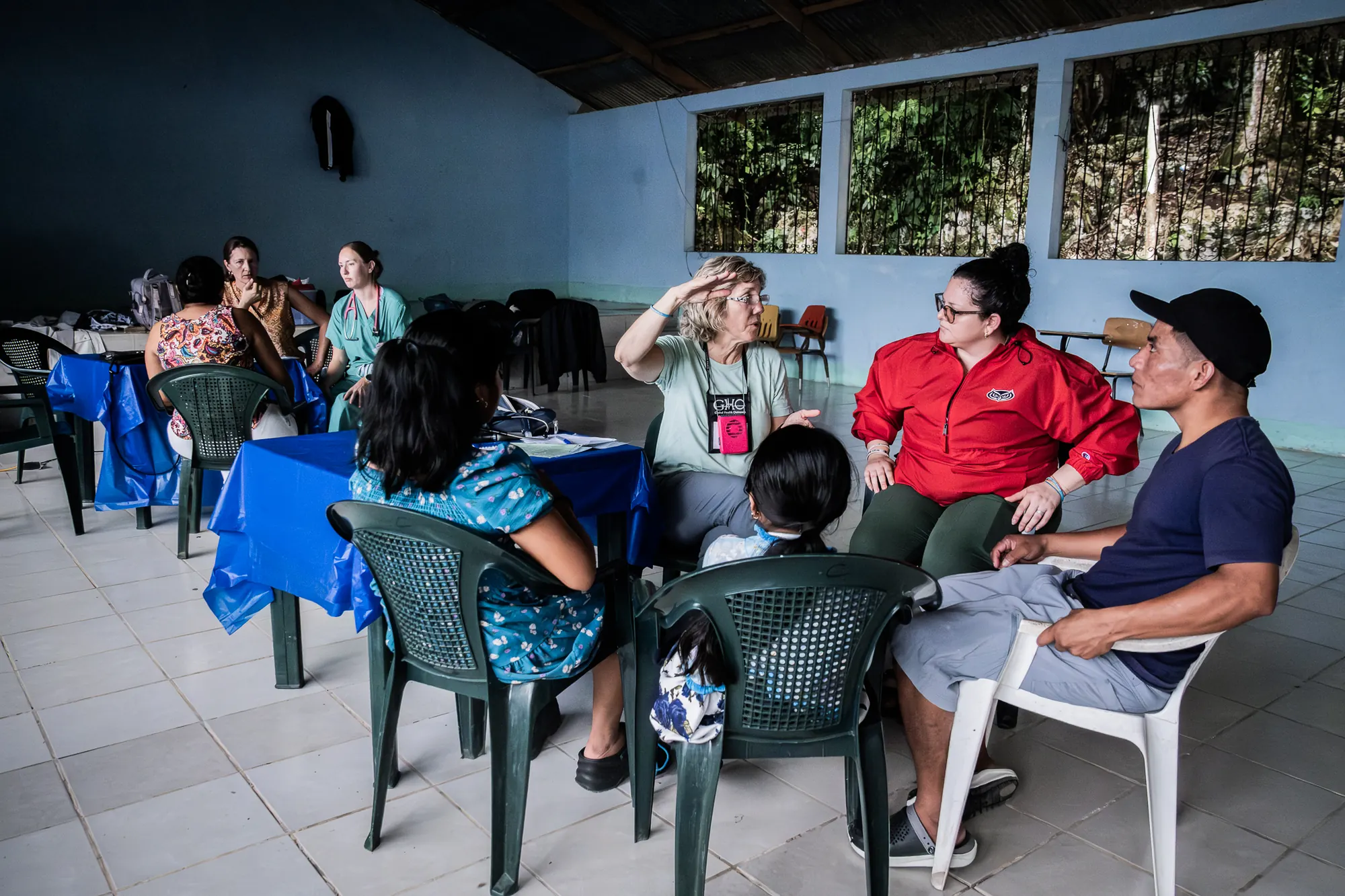
Teams eat breakfast early, load supplies, and travel with El Faro staff to a remote community. A clinic commonly serves 80 to 150 patients in a day, depending on location and team capacity.
Patients move through registration, triage, consultation, medication, education, and prayer. Translation and local guidance help clinicians understand symptoms and explain the plan within a cross-cultural setting.
Conditions and clinical limits
Teams may see common primary-care concerns, pain, infection, chronic conditions, skin issues, respiratory symptoms, digestive complaints, dental needs, and vision problems. The exact mix varies by community and season.
A short-term clinic cannot provide every test, medication, specialist, or follow-up service. Ethical care requires clinicians to work within their license, available resources, and the program’s actual ability to support next steps.
Medication and equipment
El Faro maintains a medicine supply intended to cover approximately 80% of the cases commonly encountered in community clinics. The current formulary and inventory are discussed during planning.
Equipment is negotiated with each team. Do not assume that a device, consumable, medication, electricity source, or sterile-processing resource will be available. Confirm what to bring and what can be supported locally.
Nursing roles
Nurses may support triage, vital signs, patient flow, education, medication organization, wound care, documentation, and provider assistance according to the team’s structure and their qualifications.
The environment rewards adaptability, but flexibility does not remove professional boundaries. Nurses should clarify supervision, protocols, available supplies, and what will happen when a patient needs care beyond the clinic.
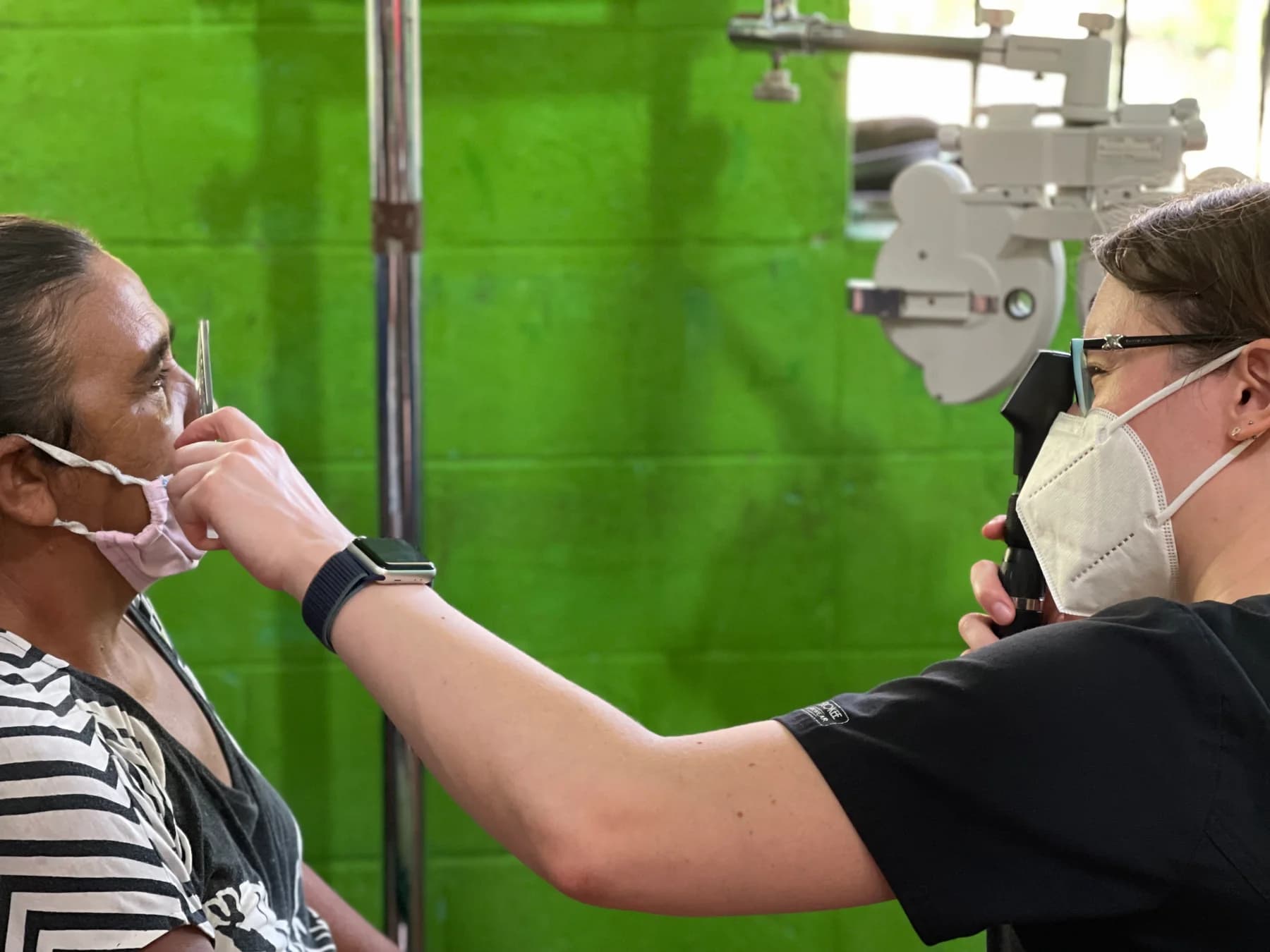
Dental and eye-care opportunities
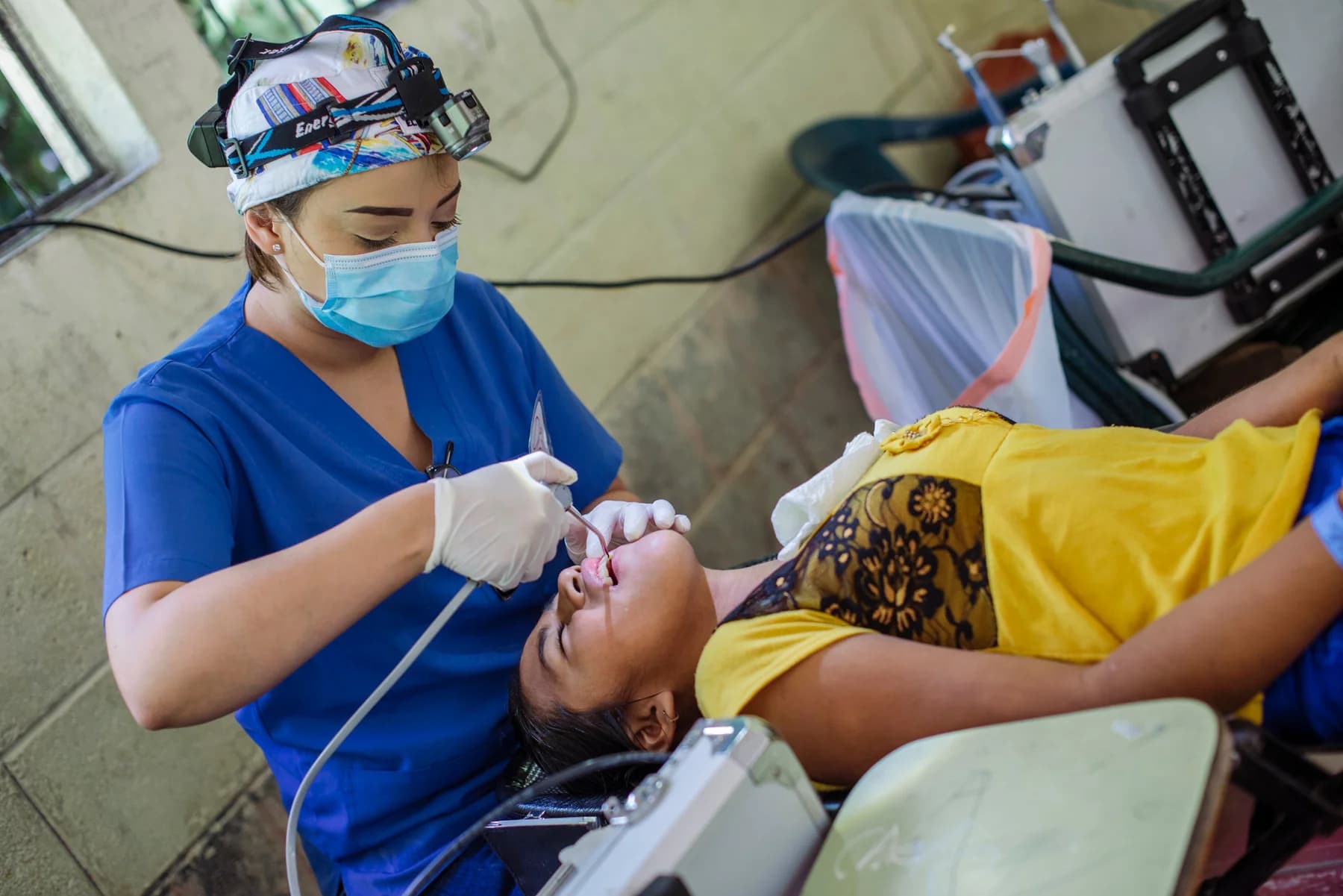
Dental teams may provide extractions, cleanings, and fillings in field settings, while El Faro’s base clinic offers weekly care at a symbolic cost.
Eye-care teams contribute to screening and specialized missions. El Faro supports five to six surgery missions each year, including procedures for cataracts, pterygium, corneal conditions, glaucoma, and strabismus when the qualified specialist team and program plan allow.
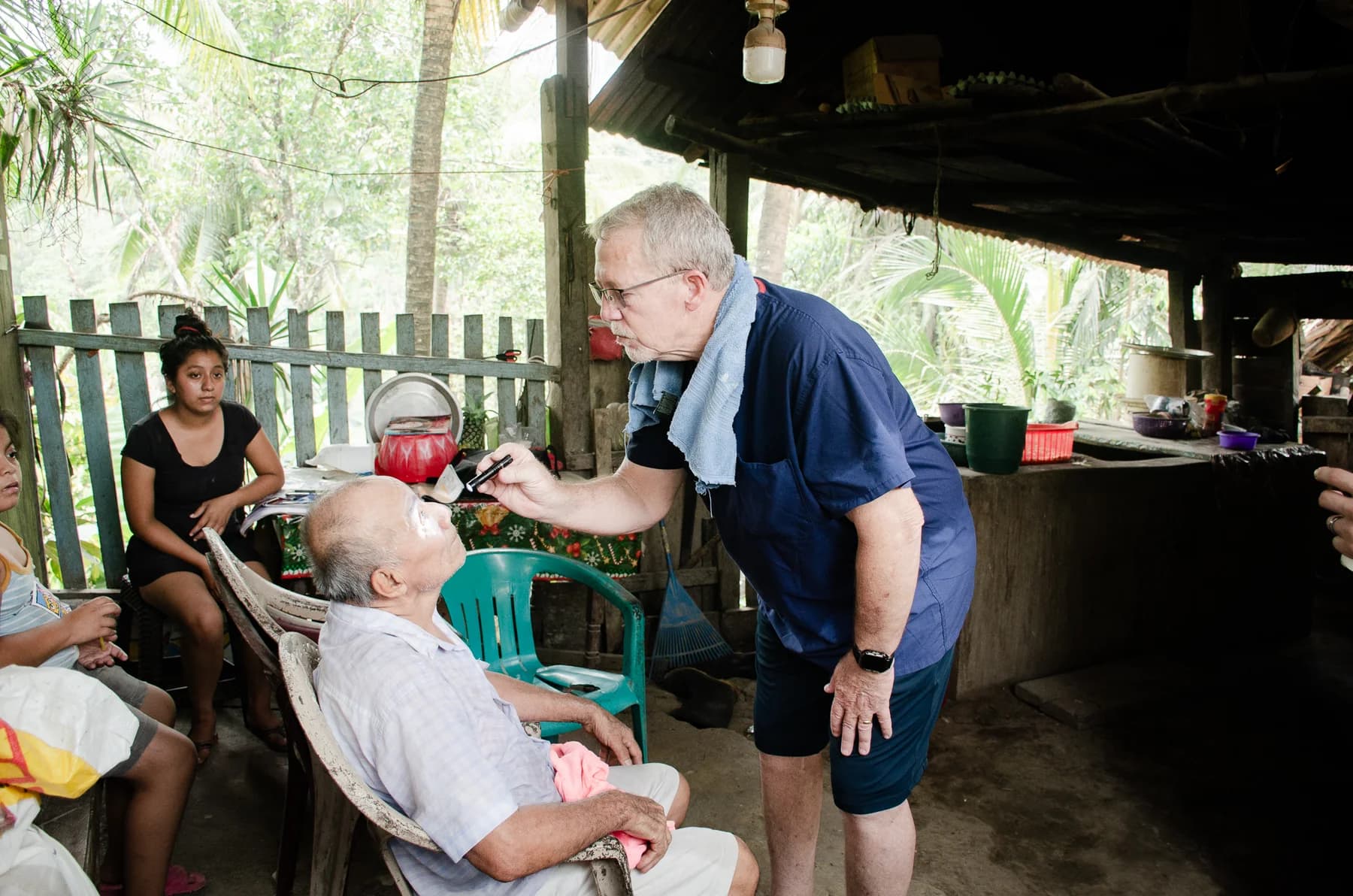
Students and supervision
Students can be valuable team members when they work under appropriate licensed supervision. Their responsibilities must match their education and the standards of the supervising professionals.
Students seeking academic credit need approval through their own institution. The school—not El Faro—decides whether the experience satisfies program requirements.
What to bring professionally
- Copies of requested credentials and team documentation
- Personal protective equipment specified by the clinical lead
- Clinical tools or devices confirmed during planning
- Personal medication and normal travel-health supplies
- Work clothing appropriate for heat and modest community settings
- Patience for travel, translation, limited resources, and changing flow
The posture that matters most
Clinical skill is essential, but a medical mission trip also requires humility. Patients are not practice opportunities or content for social media. Ask permission, protect privacy, explain limits honestly, and receive local guidance.
The goal is to provide competent care within a long-term partnership while learning from professionals, leaders, and families who understand the community far better than a visiting team can in one week.