What malnutrition means
Malnutrition is not only a lack of food. It can result from insufficient calories, limited protein or micronutrients, repeated illness, unsafe water, poor absorption, feeding challenges, or a diet that fills the stomach without supporting healthy growth.
For children, chronic malnutrition can affect physical development, immune function, learning, energy, and long-term health. Early identification and consistent follow-up matter because growth problems can deepen over time.
Why children are at risk
Low household income, food prices, seasonal work, distance from health services, limited clean water, repeated infection, and lack of nutrition information can combine. Families may be doing everything they can within very limited options.
A useful response must therefore include more than a single food distribution. Measurement, family relationships, education, health access, and reliable monthly support all contribute to better outcomes.
The scale of the challenge
Content provided for El Faro’s plan reports that 32% of children in the relevant population were underweight and 37.6% experienced chronic malnutrition. Those figures show why child nutrition remains a central ministry priority.
Percentages can feel abstract. In practice, they represent children whose growth, energy, immunity, school participation, and development may be affected.
How Chispuditos works
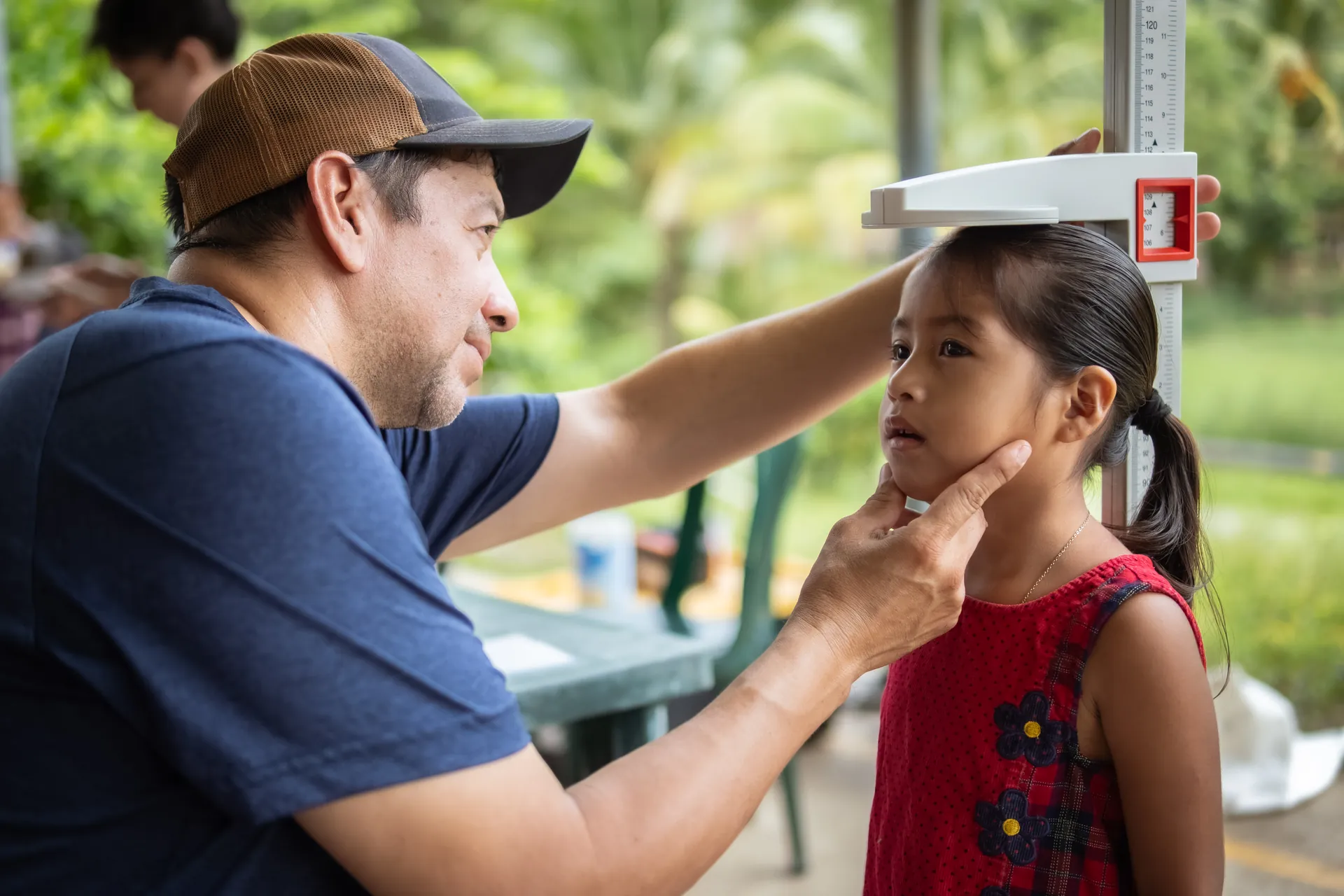
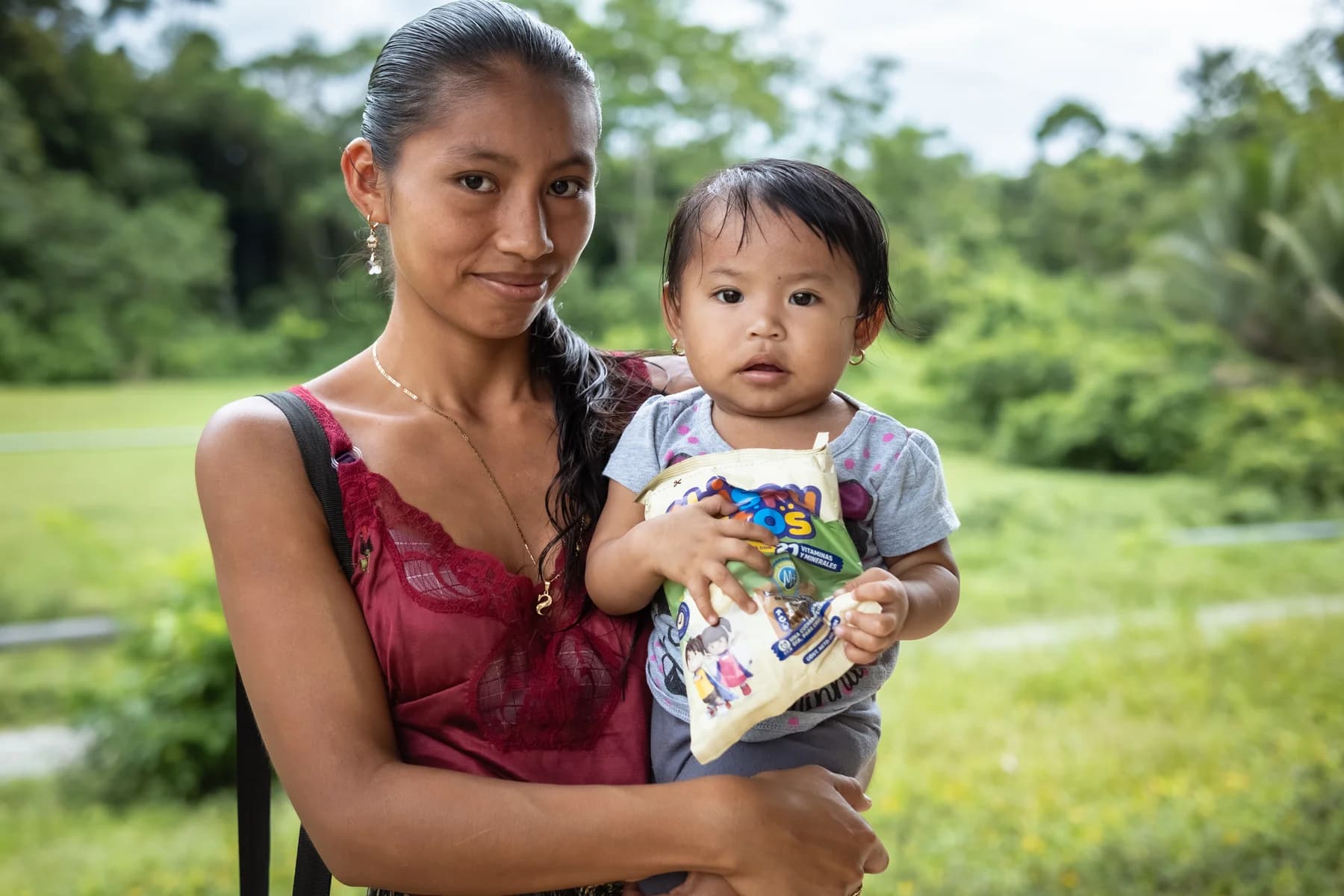
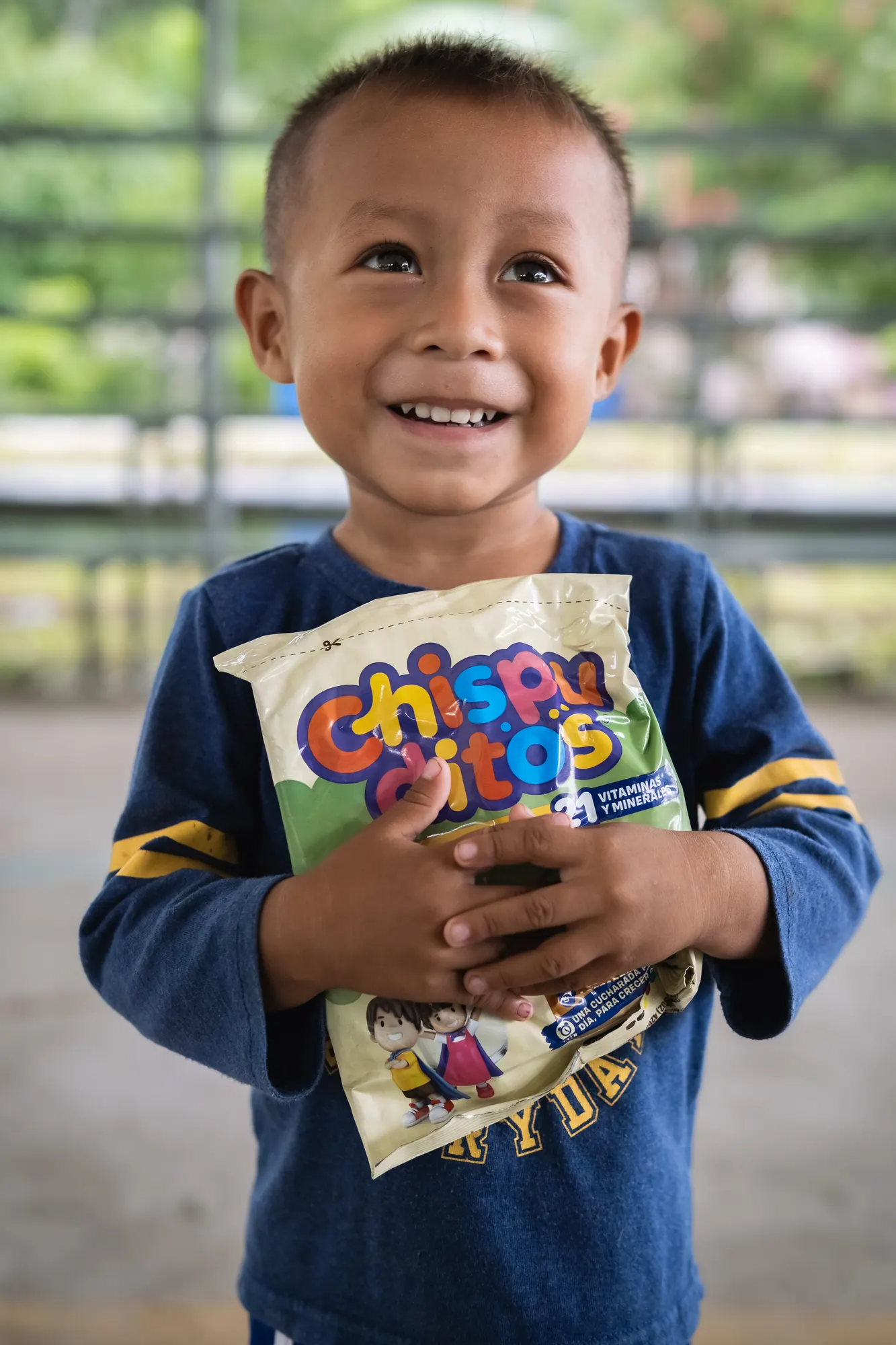
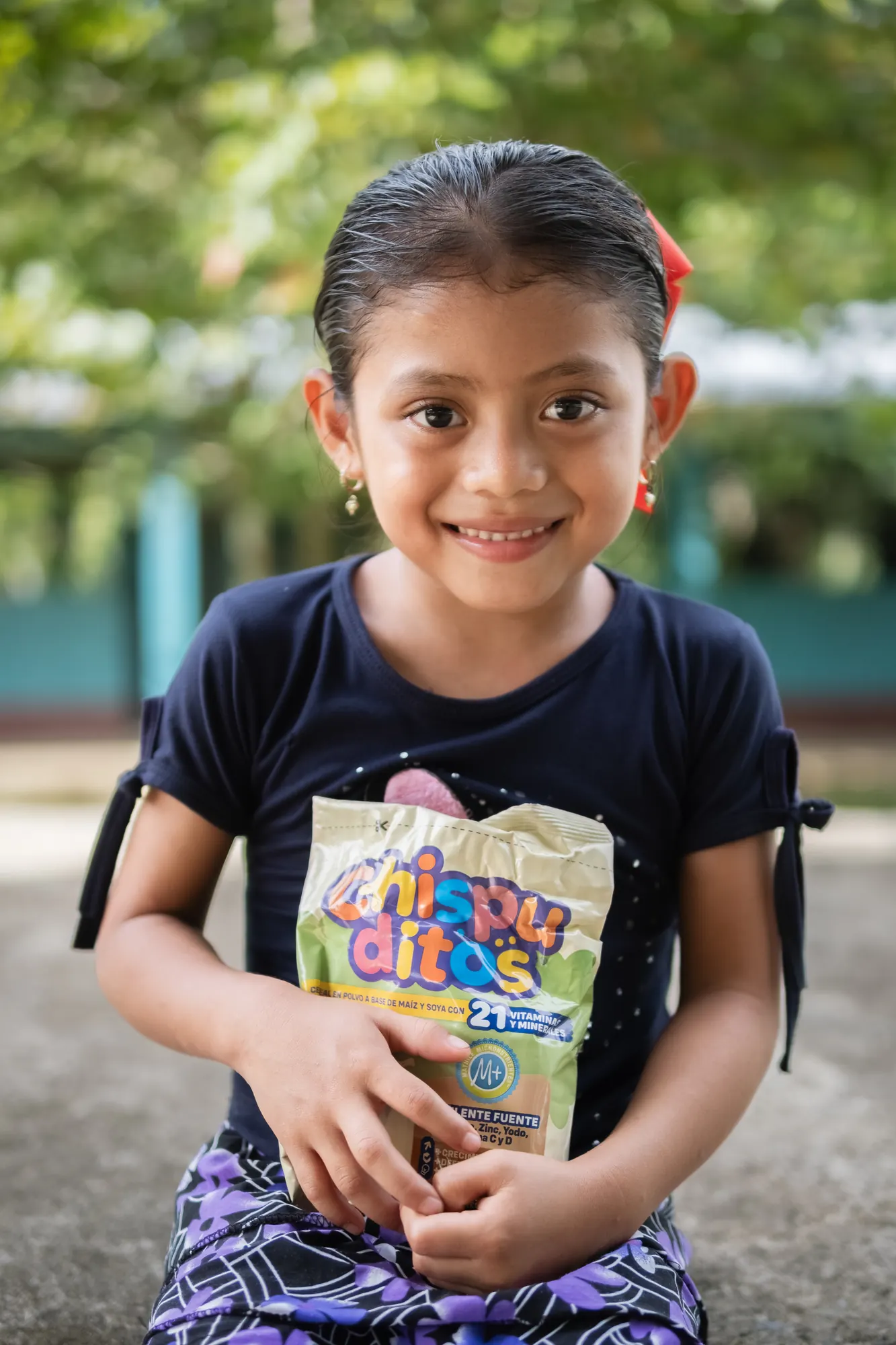
The Chispuditos Nutrition Program provides monthly nutritional supplements to approximately 750 children across 13 communities. El Faro’s team records height and weight and compares growth with recognized standards.
The regular schedule creates continuity. Staff can identify trends, notice when a child is not progressing, communicate with families, and focus additional attention where risk is greatest.
- Monthly nutritional support
- Consistent height and weight measurement
- WHO-aligned growth monitoring
- Follow-up for children at higher risk
- Relationships with families and communities
Measured results
El Faro’s program reporting includes 917 children served, 97.97% of participating children gaining weight, and 57 children moving out of a critical underweight category.
Those outcomes do not mean the wider challenge is solved. They show that consistent nutrition support, measurement, and follow-up can produce meaningful change for children who participate.
Nutrition connects with other needs
A child’s growth is affected by water, illness, housing, family income, education, and access to healthcare. That is why El Faro’s nutrition work operates within a broader mission that includes medical clinics, clean water, homes, education, and community relationships.
When staff know a family over time, they are better able to understand the context behind a measurement and connect the household with other appropriate support.
How to help responsibly
Donations can support supplements, measurement tools, transportation, staff time, family follow-up, and the dependable monthly rhythm that makes the program effective.
Visitors can help through approved distribution and children’s activities, but the long-term program belongs to the local team. The most useful support strengthens that continuity rather than replacing it with a one-time event.