
Where Izabal is
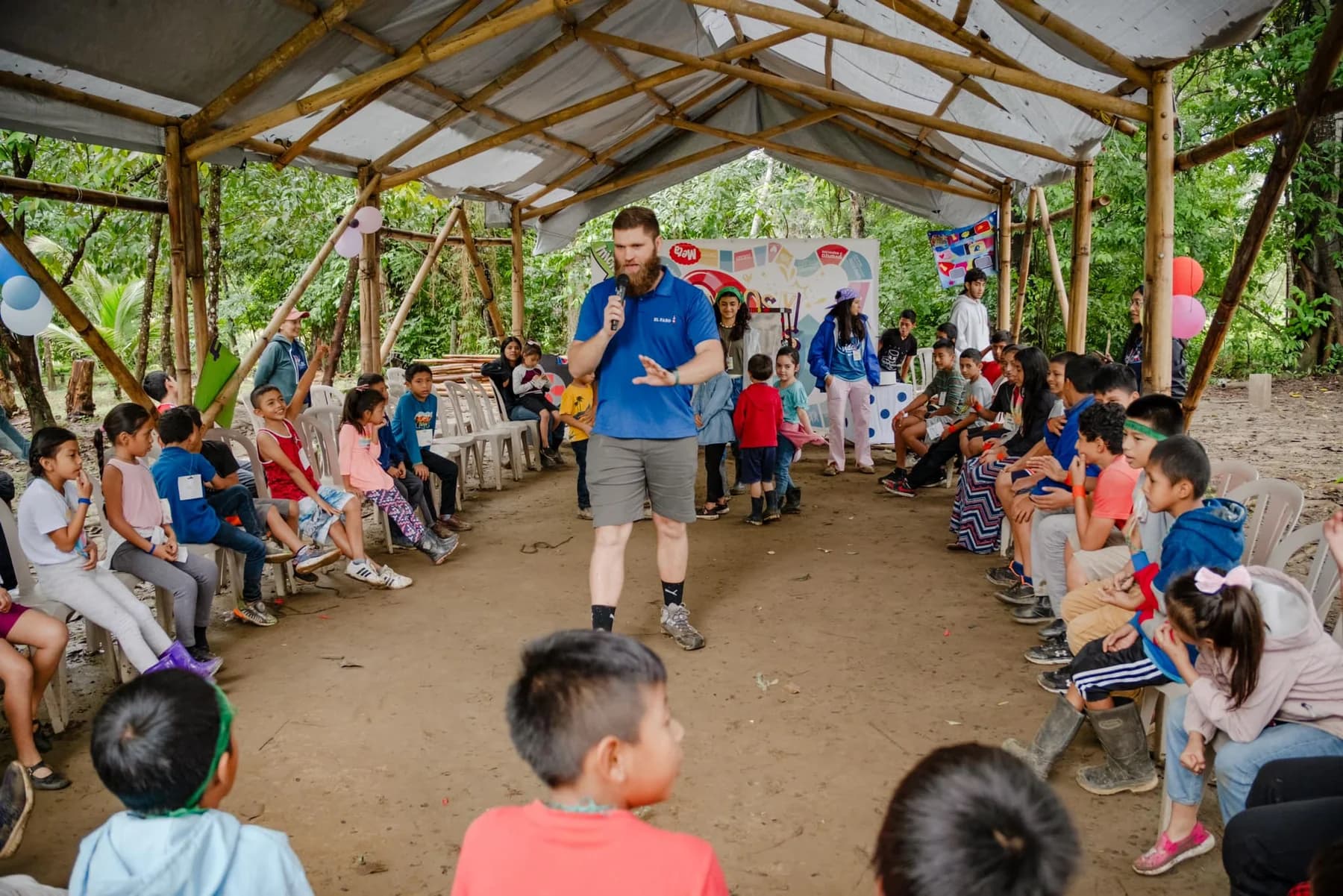
Izabal is Guatemala’s Caribbean department in the eastern part of the country. It includes coastline, Lake Izabal, Río Dulce, tropical forest, port cities, river communities, and routes into Honduras and Belize.
The region feels different from Guatemala’s better-known highland destinations. Water, trade, migration, Afro-Caribbean history, Indigenous communities, heat, and heavy seasonal rain all shape life here.
Lake Izabal and Río Dulce
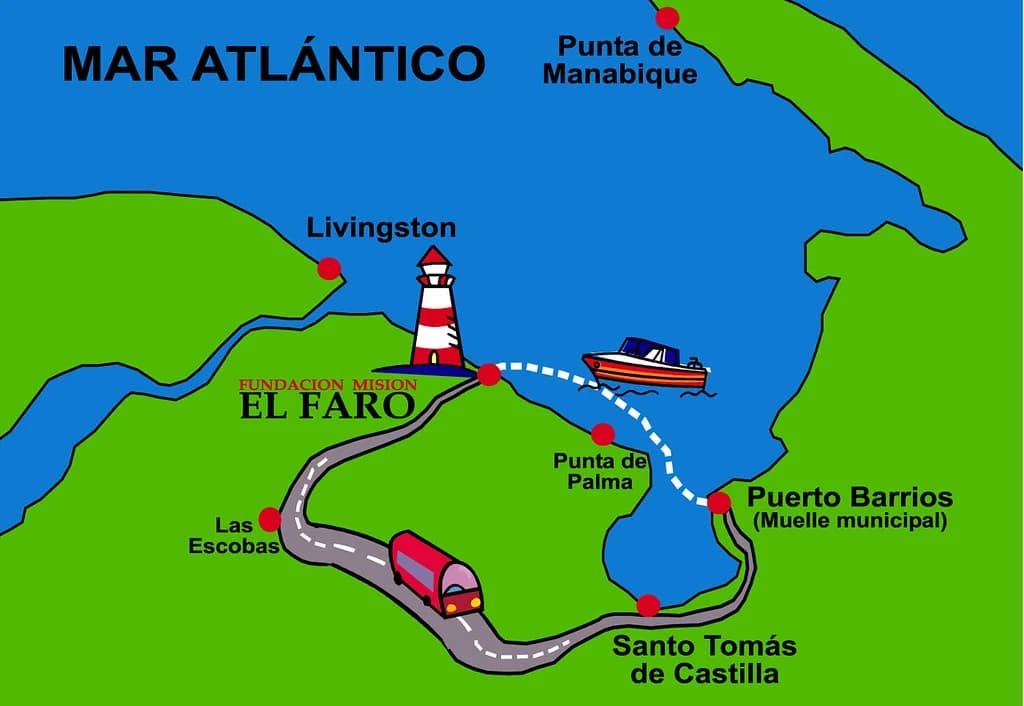
Lake Izabal is Guatemala’s largest lake. Río Dulce carries water from the lake toward the Caribbean, passing jungle, communities, marinas, and travel routes before reaching the coast near Livingston.
The lake and river are not only attractions. They support transportation, fishing, commerce, tourism, wildlife, and everyday movement for people across the region.
Q’eqchi’ Maya communities
Q’eqchi’ Maya communities are an important part of Izabal’s cultural and linguistic landscape. Q’eqchi’ language, family life, agriculture, faith, and local traditions vary by community and should not be flattened into a single visitor narrative.
Travelers serving in the region should follow local guidance, communicate through appropriate translation, and avoid assuming that Spanish is every person’s first or preferred language.
Garifuna culture
Livingston is closely associated with Garifuna culture, whose history connects Indigenous Caribbean and African ancestry. Music, dance, language, food, family, and coastal identity contribute to a culture distinct from inland Guatemala.
Visitors should approach Garifuna communities as living communities rather than performances for tourists. Respectful curiosity begins with listening and appropriate local guidance.
Food to know
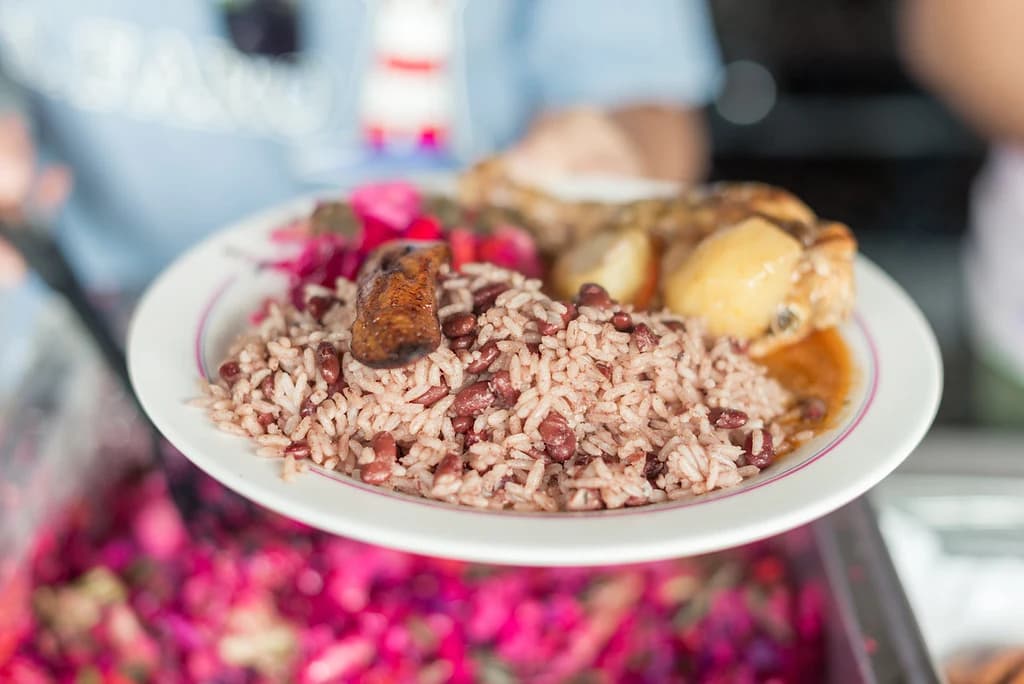
Tapado is one of the region’s best-known dishes: a rich seafood and coconut stew associated with the Caribbean coast. Fish, shellfish, coconut, plantains, rice, and tropical fruit appear throughout regional cooking.
Markets and small restaurants provide a window into everyday food culture. Ask for recommendations, be patient with timing, and remember that ingredients and preparation can vary by place and family.
Wildlife and natural areas
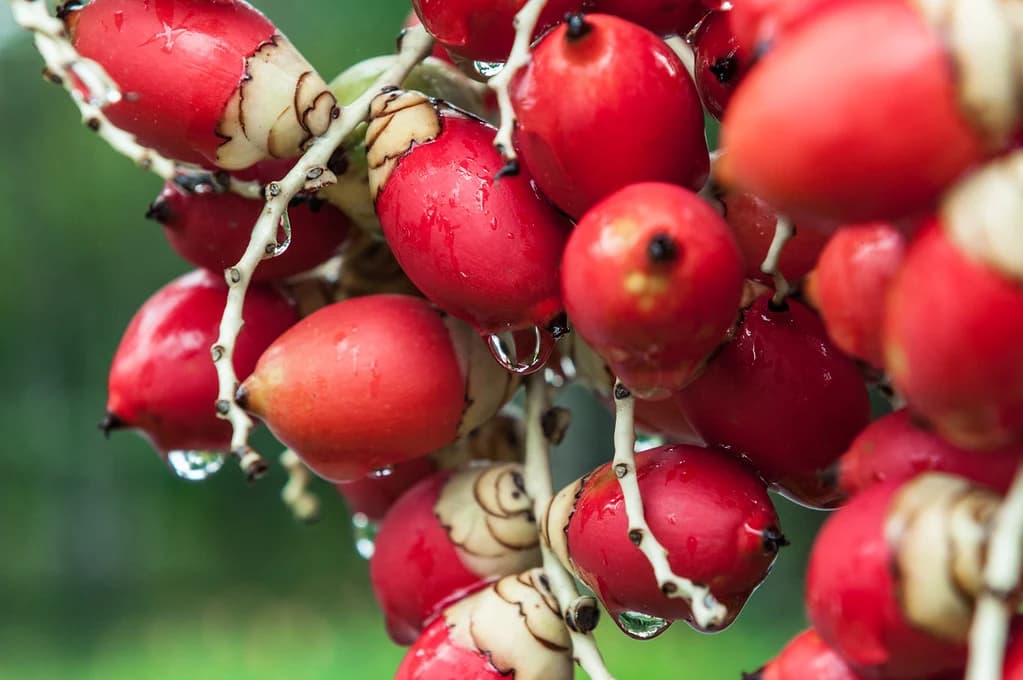
Howler monkeys, toucans, manatees, sea turtles, mangroves, jungle, wetlands, and coastal habitats make Izabal ecologically diverse.
Wildlife sightings are never guaranteed. Choose guides and activities that respect habitat, avoid feeding animals, reduce waste, and follow local environmental rules.
History and Castillo de San Felipe
Castillo de San Felipe stands near the entrance to Lake Izabal and reflects the region’s history of trade, colonial conflict, and movement through the Caribbean watershed.
Puerto Barrios later developed as a major port, linking Izabal with international shipping and the wider Caribbean. The region’s history is therefore connected with both inland waterways and the sea.
Places travelers often visit
- Lake Izabal
- Río Dulce
- Castillo de San Felipe
- Livingston
- Puerto Barrios
- Hot springs and regional nature sites
- Local markets and Caribbean food destinations
Travel with context
Izabal’s beauty exists alongside communities facing transportation, health, housing, water, nutrition, and education barriers. Travel responsibly by respecting privacy, dressing appropriately, asking before taking photographs, and avoiding poverty tourism.
Misión El Faro serves from this region. Its long-term relationships offer visiting teams a way to encounter Izabal through people and ongoing partnership rather than treating the department as scenery between attractions.